Tarot Blog
Practical guides, explanations and tips that help you read the cards with more confidence.
How to Read Tarot Cards for Beginners: A Step by Step Guide
To read tarot you do not need to know all 78 meanings by heart. A simple sequence of actions and the habit of looking carefully at the pictures is enough.7 min read
Reversed Tarot Cards: How to Interpret Them
A reversed card is not a “bad sign”. It shows the same theme from another angle: blocked, inward or too pronounced.6 min read
How to Ask Tarot Questions: Rules and 25 Examples
The usefulness of a spread depends 80% on the question. We go through which wordings work and which keep you from a clear answer.6 min read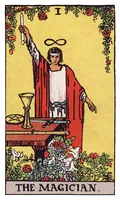
AI Tarot Reading: How It Works
Artificial intelligence does not guess the future. It helps you read in a new way the cards that you chose and tie them to your question.5 min read
Yes or No Tarot: Which Cards Mean Yes and Which Mean No
The yes or no spread is the quickest in tarot, but also the trickiest. We go through how cards lean towards an answer and why “maybe” can be more honest than any “yes”.8 min readDoes Tarot Work: An Honest Look at Divination and Psychology
Tarot does not predict the future, but millions of people find it useful. We explain what the use consists of and how not to fool yourself.8 min read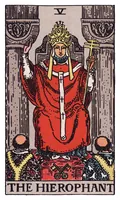
Tarot Taboos and Myths: Can You Read for Yourself and Give a Deck as a Gift
Many bans have piled up around tarot. We go through the most popular ones and explain where they came from and whether they are worth following.7 min read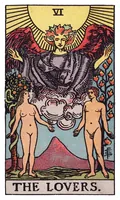
Love Tarot Spread: How to Read the Positions and What to Ask
Love is the most common question for tarot and the hardest to interpret honestly. We go through how to phrase the question, read the positions and not harm yourself.8 min read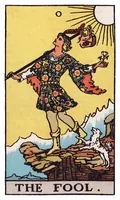
Major Arcana Tarot Cheat Sheet: Meanings of All 22 Cards
The 22 Major Arcana describe the stages of a person's path. We put the keywords, the essence and the correspondences of each card into one quick reference.9 min read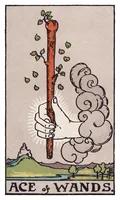
Tarot Suits and Elements: Wands, Cups, Swords and Pentacles
The suit of a card hints at the area of life it is about. We go through the four suits, their elements and how numbers and court cards change the meaning.8 min read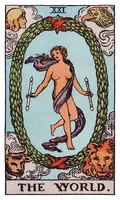
Yearly Tarot Spread: How to Do and Read It Yourself
A spread for the year is not a calendar of events but a map of themes. We show three ways to do it and explain how to read the result without illusions.8 min readTarot Reading with ChatGPT: A Prompt, Examples and Limits
A chatbot can be a good conversation partner for interpreting cards if you phrase the request well and remember its weak points.8 min readAI or a Live Tarot Reader: Which to Choose and What Is the Difference
AI is faster and cheaper, a live person is more attentive and flexible. We go through the situations in which each option fits better.7 min read
AI Mistakes in Tarot: How to Tell an Interpretation from Invention
Language models write convincingly even when they are wrong. We show the typical failures and ways to recognise them.7 min read
Claude Tarot Reading: Prompts That Work
Claude is good at careful, reflective writing, which suits tarot. The result depends on how you ask. Here are five prompt templates you can copy and adapt.8 min read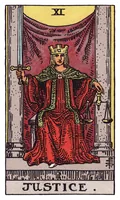
How Accurate Is AI Tarot?
The honest answer starts with a different question: accurate compared to what? Tarot does not predict events, so no reader, human or AI, can be accurate in that sense.7 min read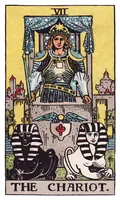
ChatGPT vs Claude vs Gemini for Tarot
People ask which chatbot reads tarot best. In practice the difference between them is smaller than the difference between a good prompt and a bad one.7 min read
What we write about
On the blog we treat tarot as a way of reflecting on life: we explain how spreads are built, how to read reversed cards and how to phrase questions so that the answers are useful. The texts are meant both for beginners and for those who already lay out cards and want to organise their experience. We do not promise predictions of the future: our aim is to give clear tools for reflection and to help you make more conscious decisions.
If you are just starting, read the beginner's guide and then move on to practice: draw cards in the generator and compare your first impressions with the meanings in the Card Meanings section. We add new material regularly.
Practice
Step by step guides: from choosing a spread to a coherent reading.
Meanings
Explanations of symbols and card positions, examples and common mistakes.
Technology
An honest talk about what AI readings can do and where their limits are.