Yes or No Tarot: Which Cards Mean Yes and Which Mean No
The yes or no spread is the quickest in tarot, but also the trickiest. We go through how cards lean towards an answer and why “maybe” can be more honest than any “yes”.
· 8 min read
Author: Max Raputum, Warsaw
How a yes or no question works in tarot
By its nature tarot is not a binary tool: the cards describe situations, they do not stamp “yes” or “no”. That is why a yes or no spread is a convention. Each card is given a lean towards a positive or negative answer based on its image: the Sun brings success and clarity, the Tower the destruction of plans, the Devil dependence and a trap.
Such an answer is useful as a quick guide or a way to notice your own reaction: if “no” came up and you felt sad, you wanted “yes”. That is already valuable information about what you really want.
Major Arcana that lean towards yes
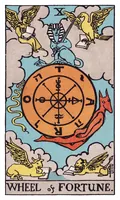
In our spread these lean towards a positive answer: The Fool, The Magician, The Empress, The Emperor, The Hierophant, The Lovers, The Chariot, Strength, Wheel of Fortune, Temperance, The Star, The Sun, Judgement, The World. They have one thing in common: movement, growth, clarity or support. These are cards of initiative, joy and completed cycles.
But even a positive card does not promise fulfilment without effort. “Yes” in tarot more often means: conditions are favourable, act.
Major Arcana that lean towards no
These lean towards a negative answer: The Hermit, The Hanged Man, Death, The Devil, The Tower, The Moon. They are cards of obstacles, dependence, loss and pauses. They are not a sentence: “no” may mean “not now”, “not like this” or “not at the price you name”.
If “no” came up, it is useful to ask a clarifying question: what has to change for the answer to be different? A three card spread suits that.
“Maybe” cards
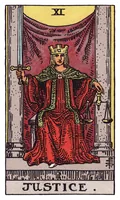
The neutral cards are The High Priestess, Justice. They say the answer depends on your actions, on time or on information that is still missing. It is a normal result, and you do not need to redraw until the right card comes up.
Minor Arcana and suits
Wands and Pentacles
On the whole they lean towards yes: action, growth and material results. The exceptions are the cards of delay and overload.
Cups
More often positive, especially in questions about relationships. The Five and Seven of Cups point to disappointment and illusions.
Swords
More often negative: conflict, thoughts and pain. The Ace and Six of Swords speak of clarity and moving forward.
Reversed cards in a yes or no answer
A reversed card does not turn the answer into its opposite. It slows, weakens or complicates: a positive “yes” becomes “yes, but later or with difficulty”, and a negative “no” is often softened into “not yet”. That is why in our spread a reversed card moves the answer towards “maybe”.
How to ask the question properly
Phrase the question so that it can be answered with “yes” or “no”: “Should I apply for this vacancy?”, not “What will happen if…”. Avoid time frames (“by the end of the year”) and questions about other people's thoughts. One question, one card; repeating the spread until you get the wanted one makes no sense.
An example yes or no spread
Say you ask: “Should I accept the new job offer?” The Star came up. It is a strong “yes”: the card of hope and renewal says that you have an inner sense of direction. But ask yourself what you really want, not only what you can get.
If the Moon had come up, the answer would be “maybe”: you lack information, and anxiety may distort the picture. Then it is worth collecting facts, talking to your future colleagues and only then deciding. That is how a yes or no spread turns from divination into a way of preparing a decision.
Frequently asked questions
How accurate is a yes or no tarot spread?
It is a guide, not a prediction. It helps you quickly notice your attitude to a question, but decisions about important things should rest on facts.
Can I draw three cards for yes or no?
Yes. Then the answer is set by the majority of the cards, and the differences show how clear-cut the situation is.
What if “maybe” came up?
Refine the question or do a three card spread: it will show what the answer depends on.
Can I ask the same thing again?
No. A repeat spread on the same question usually only confuses and lowers trust in the answer.
Try it in practice
Read also
- How to Ask Tarot Questions: Rules and 25 ExamplesThe usefulness of a spread depends 80% on the question. We go through which wordings work and which keep you from a clear answer.
- Tarot Taboos and Myths: Can You Read for Yourself and Give a Deck as a GiftMany bans have piled up around tarot. We go through the most popular ones and explain where they came from and whether they are worth following.