AI tarot · free
AI Tarot Reading Online
- 1Write your question
- 2Draw your cards
- 3Get your reading in 30 seconds
- Free
- No sign-up
- Answer in 30 seconds
What else to try
Quick spreads and tools for different cases
Draw Cards
A 78-card deck, your own pick from the fan, a reading if you want one
One Card
A quick answer or advice for today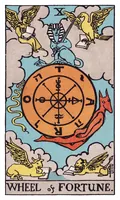
Three Cards
The past, present and future of your situation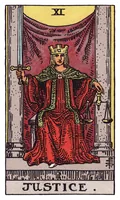
Yes or No
A quick yes or no with an explanation
Love Tarot
Feelings, obstacles and the future of a relationship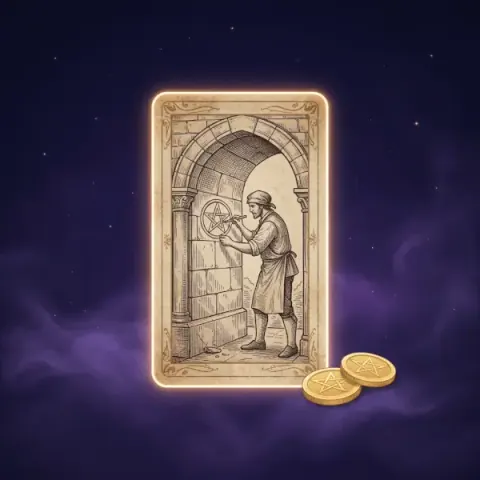
Career Tarot
An interview, a change of job, income growth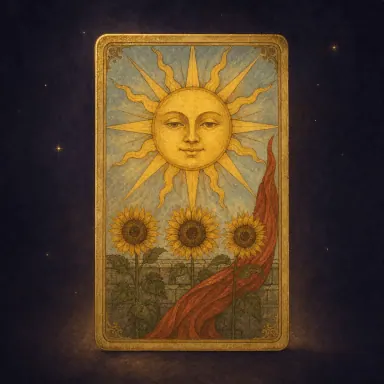
Card of the Day
Your card and advice for today
Tarot for Tomorrow
One card and advice for tomorrow
Tarot for the Week
Three cards: the start, middle and outcome of the weekTarot for the Month
A theme, a challenge and advice for the next 30 days
Tarot for the Year
The Celtic Cross for the next 12 months
Tarot Spreads
Celtic Cross
The classic 10 card spread for complex questionsTwo Options
Compare two options and their consequencesThree Options
Compare three paths and their outcomesHorseshoe
Seven cards: the development of a situation from past to outcomeManifestation
Five cards: wish, obstacle, resource, step and result
Tarot Blog
Free tarot guides, tips and breakdowns
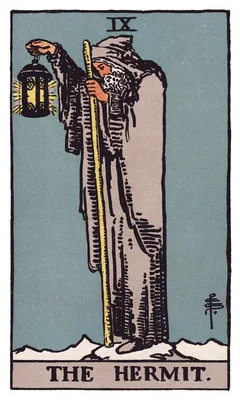
How to Read Tarot Cards for Beginners: A Step by Step Guide
To read tarot you do not need to know all 78 meanings by heart. A simple sequence of actions and the habit of looking carefully at the pictures is enough.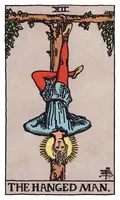
Reversed Tarot Cards: How to Interpret Them
A reversed card is not a “bad sign”. It shows the same theme from another angle: blocked, inward or too pronounced.
How to Ask Tarot Questions: Rules and 25 Examples
The usefulness of a spread depends 80% on the question. We go through which wordings work and which keep you from a clear answer.
AI Tarot Reading: How It Works
Artificial intelligence does not guess the future. It helps you read in a new way the cards that you chose and tie them to your question.
Yes or No Tarot: Which Cards Mean Yes and Which Mean No
The yes or no spread is the quickest in tarot, but also the trickiest. We go through how cards lean towards an answer and why “maybe” can be more honest than any “yes”.
It all starts with your question
How it works
- 1
You choose the cards yourself
The 78-card deck is shuffled and fans out. You pull the cards by hand, so the spread stays yours instead of being generated for you.
- 2
The spread fits your question
Love, work, a choice between several options and yes or no questions each have their own spreads with their own card positions.
- 3
AI explains the meanings
After the spread you get an interpretation: a general conclusion, the meaning of each card in its position and a practical piece of advice. There are quick and deep modes.
- 4
Tarot is a tool for reflection
We do not promise predictions. The cards help you see a situation from another side and phrase a next step, while the decisions stay with you.
Frequently asked questions about online tarot with AI
What should I pay attention to before a tarot reading?
Phrase your question in advance and try to be calm and honest with yourself. Open questions about causes, dynamics and steps work best, not questions about exact dates and other people's thoughts.
Can I repeat a reading for the same question?
You can, but repeat readings on the same question are better done after a pause or with a refined wording. Otherwise you risk choosing a pleasant answer instead of a useful one.
Can tarot cards predict the future?
There is no scientific evidence for it. Tarot is a traditional way of structuring your thinking: the symbols on the cards suggest themes and questions. Treat the result as a reason for reflection, not a sentence.
What are the limits of tarot reading?
Do not use spreads for decisions about health, legal matters or large financial questions, or to “find out” the secret thoughts and actions of other people. Specialists and open conversations exist for that.
How accurate are online tarot results?
Accuracy in the usual sense does not apply here. The value of a spread is whether it helped you see the situation more clearly. A good interpretation names several possible readings and does not promise inevitable events.
How do I ask better questions?
Start with “what”, “how” or “why”, describe your own role in the situation and avoid yes or no questions unless you need them. For example: “What is important for me to understand about my job?” instead of “Will I get promoted?”.